This post is intended as an introduction to the relationship between neurodiversity and environmental awareness, the value of different ways of experiencing the world, and the need for a range of voices to be heard in this time of ecological crisis.
As an artist, I explore my experiences of places, reflect on them, and share them with others through making. As an autistic artist, who believes in the value of art as a way of knowing the world through our senses, emotions and imagination, I’m particularly interested in Neuroqueer Ecologies.
I coined the term Neuroqueer Ecologies to describe the way that Queer Ecology and neurodivergent exeriences of place intersect. Bringing new insights by breaking down the boundaries and binaries that underpin established ways of thinking about ‘Nature’ through paying attention to neurodivergent experience.
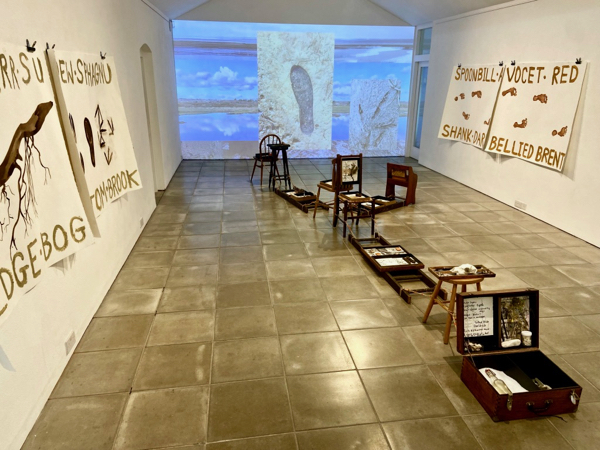

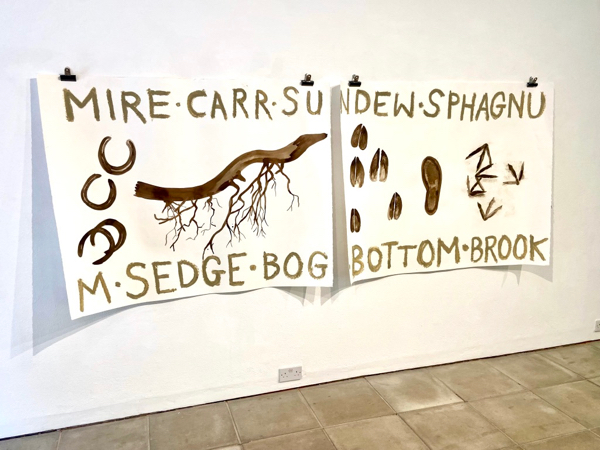
At this stage it’s going to be useful to clarify what I mean by neurodiversity, neurodivergence and neuroqueer, all quoted from Dr Nick Walker :
Neurodiversity is the diversity of human minds, the infinite variation in neurocognitive functioning within our species.
Neurodivergent, sometimes abbreviated as ND, means having a mind that functions in ways which diverge significantly from the dominant societal standards of “normal.”
Neuroqueer: I originally conceived of neuroqueer as a verb: neuroqueering as the practice of queering (subverting, defying, disrupting, liberating oneself from) neuronormativity and heteronormativity simultaneously… And, just like queer, the adjective form of neuroqueer can also serve as a label of social identity. One can neuroqueer, and one can be neuroqueer.
As Robert Chapman describes in their book Empire of Normality, what we have come to think of in Europe and the US (outside of indigenous societies) as being normal or neurotypical, is specific to our capitalist, eurocentric culture. People whose body-minds function in ways outside of this are seen as abnormal or disordered, and suffer from the intense pressure to mask neurodivergent traits and conform.
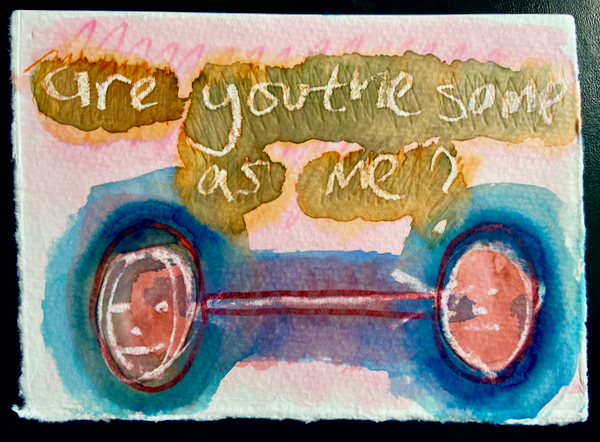
But what if we truly valued difference, and in the light of the damage that eurocentric, capitalist ways of seeing and being with the non-human world has done, looked outside of neurotypicality to other ways of understanding what we’ve come to call ‘Nature’ ? What can wider society learn about ecosystems from neurodivergent people? This is what I am asking in my Neuroqueer Ecologies research.
‘To think about and do leadership in this way is to neuro-futurise leadership. Neuro-futurising leadership draws on and shows (off) the value of neuro-divergence, as well as body-mind-worlds that ‘deviate’ from the dominant.‘
Neuro-Futurism and Re-Imagining Leadership – Kai Syng Tan
Neurodivergence can be genetic, acquired, or epigenetic (essentially a coming together of the two). In other words, neurodivergence isn’t only about autism and ADHD, it can include a range of other neurominorities. On top of that, different people may describe or identify themselves in different ways (disabled or not for example), and experience different strengths and challenges.
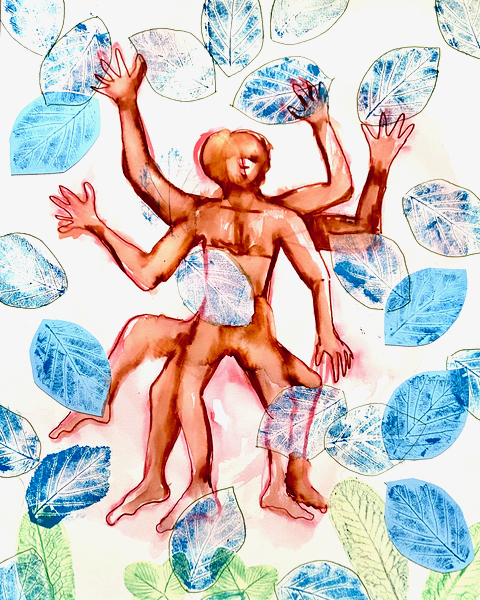
Fellow CMUK associate Genevieve Rudd, for example is a Great Yarmouth-based community artist and wild beach leader living with brain injury, who recently set up the Ambulatory Imaginations project:
‘This will be a neuro-impairment-inclusive creative nature project for, with, and by people with a neurological/central nervous system condition, illness, injury or impairment in Norfolk and Suffolk. To connect with nature and make art together in mobility- and sensory-inclusive ways in 2025. As part of this, she is kindly asking potential participants – those with relevant lived experience and living locally – to contribute thoughts in a survey to aid project development’
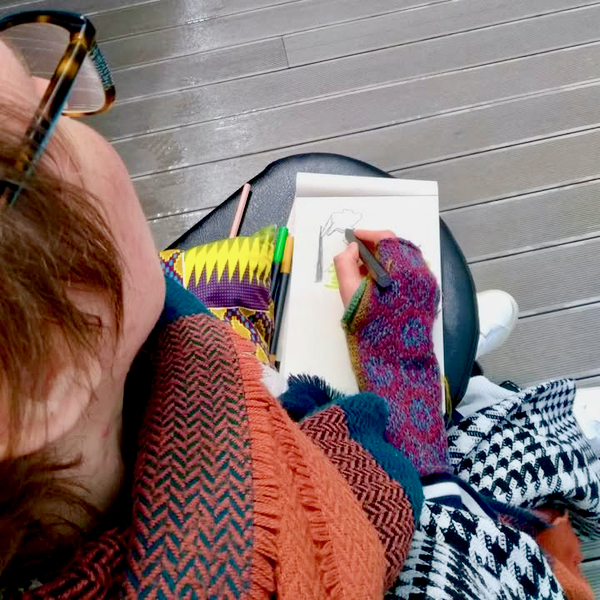
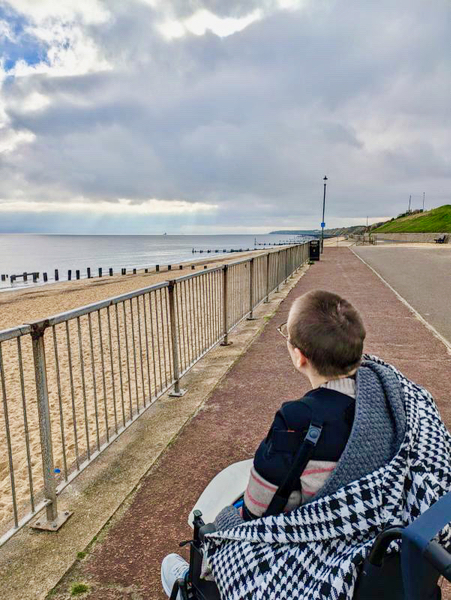
So what can neurodivergent people bring to explorations of climate breakdown, to developing new forms of environmental education and regenerative practices? As I said at the beginning, I am only one (white, queer) person, and the post’s focus is on the importance of incuding a range of voices and experiences in such discussions, so I want to to introduce the subject, to share my own experiences, and then invite others to share theirs.
Personally, I experience sensory information pretty intensely, and my body-mind as permeable rather than disconnected from its surrundings. As I’ve written before (On Neuro/Queering Nature – Climate Cultures), this can be both a gift and pretty overwhelming. Holotropic experience (see the previous link) can be amazing when walking and making with rivers but not so great when being driven down a motorway.
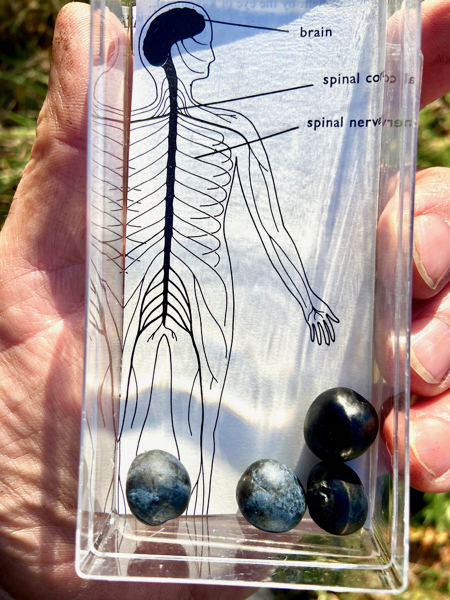

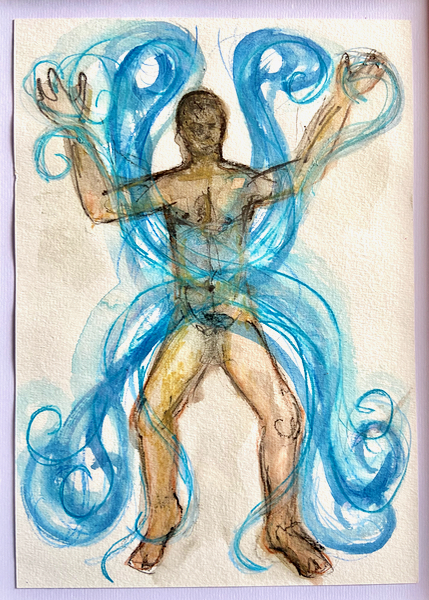
The written and spoken languages that ‘we’ (again I’m speaking about non-indigenous, western cultures here) have developed to name and classify ‘Nature’ (including the word nature itself) don’t fit my direct experience of the interbeing of human and non-human, but artful documentation of embodied experience does, as can more poetic approaches to writing and speaking.
Because I take in a lot of information, I often like to move slowly and notice the details, and how all the different elements come together to create a whole. This links to pattern recognition and processing differences in autistic people, and also results in the development of a model of reality based on interconnection and relationship, formed from the bottom up, rather than one inherited from others.
‘We’re continually in a process of emergence and self-actualisation, neuro-queering normativity and quieting imperialist habits by recognising and facilitating the malleability and fluidity of diverse body-minds.’
Kai Syng Tan – Neuro-Futurism and Re-Imagining Leadership
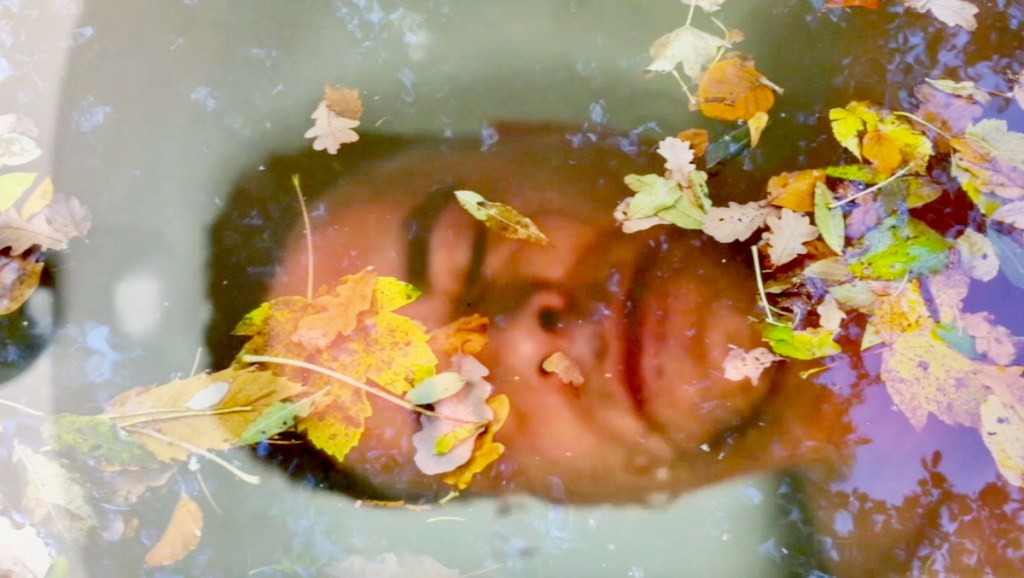
At the heart of this work is the decolonisation of knowledge creation, learning from (but not appropriating) indigenous, neuroqueer and other diverse perspectives. Valuing artful and embodied ways of knowing places as communities of life, and including body-minds of all kinds, including non-humans, through inter-species collaboration.
‘Together, then, we must work towards a future world beyond The Empire of Normality. It is true it is not a future we can yet properly comprehend. For ideology still hangs everywhere around us, like an all-encompassing fog that impedes our ability to think and see. Yet as our collective consciousness grows, this fog will pass… Our possibilities will expand as the old world falters and its structures crumble.’
Robert Chapman – Empire of Normality
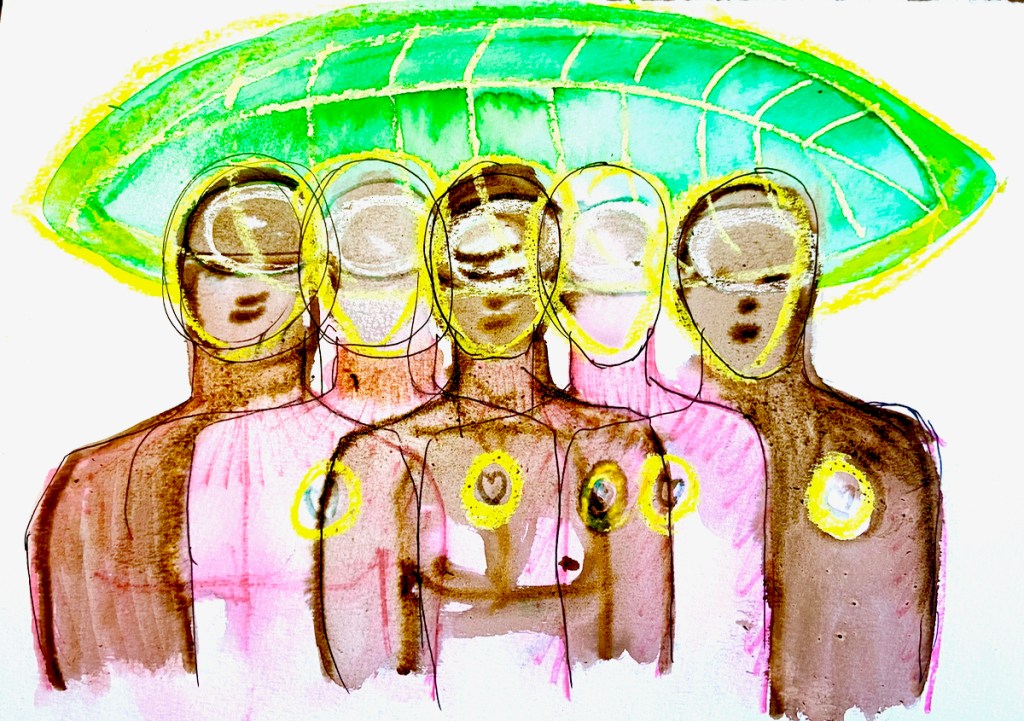
If you identify as neurodivergent or neuroqueer, and/or have thoughts to share about how the relationship between neurodiversity and ecological, environmental or climate issues we’d love to hear more. Please leave your reflections as a comment.
(All images and artwork by James Aldridge unless otherwise credited)
 Climate Museum UK
Leave a comment