Part of a series of reviews of exhibitions and projects.
Waters Rising, Perth Museum (November 2024-March 2025)
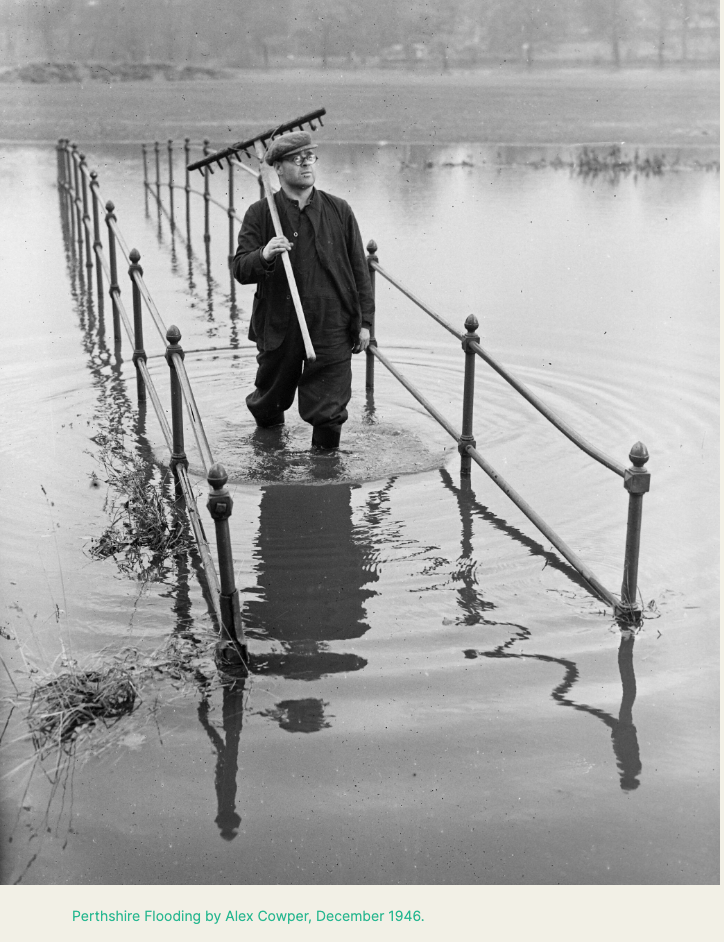
Perth Museum (Scotland) reopened with a bang in 2024 after years of refurbishment. Its first exhibition, Unicorn, won a Museum Change Lives Award from the Museum Association for its social impact in collaborating with community groups and highlighting LGBTQ+ lives and experiences. Its second exhibition, Waters Rising, took on a new challenge by tackling the pressing topic of floods. Perth is built along the River Tay, the longest of Scotland’s rivers, a fishing haven that is prone to bursting its banks.
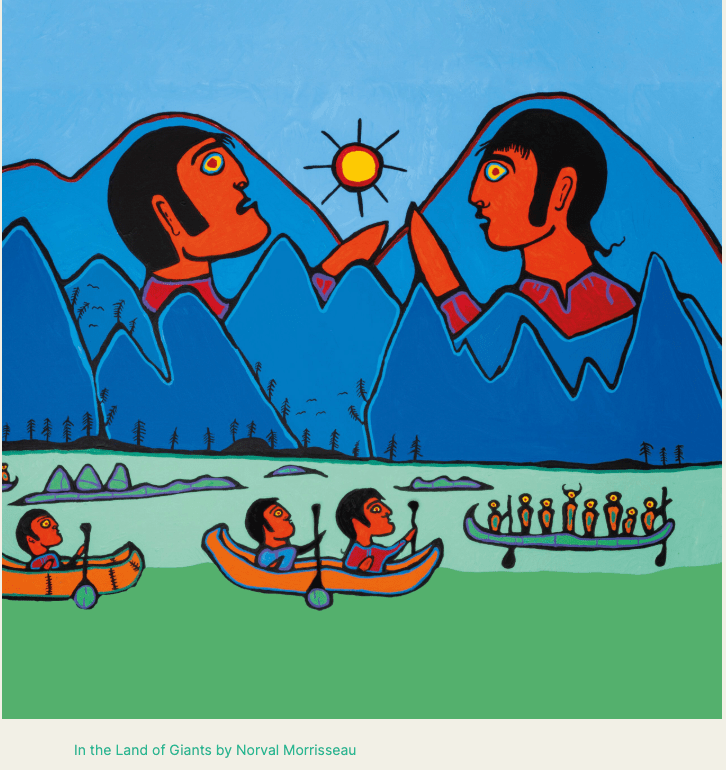
The exhibition looked at flooding in both physical and cultural ways. The first room offered a glimpse of stories of floods, from the ones that have shaped the world to the ones we imagine may happen. The Epic of Gilgamesh, a Qu’ran itself saved from a flood, Noval Morisseau’s gorgeous contemporary depictions of Anishinaabe myths, or Alan Kilpatrick’s Where the Brahmaputra meets the Clyde photographic series drew connections over time, land, languages and cultures to show that water affects, inspires and haunts us all.
The second part of the exhibition focused on Perth, rethinking its own history of flooding, the risks to human and non-human inhabitants if climate change worsens, and featuring resistance. The curator worked closely with local communities, gathering pictures and testimonies of the 1993 Perth flood from the public, climate protest materials from local organisations or learning about global climate migration and local flood mitigation. The result was a small but cleverly tailored mix of personal and global stories, of anger and sadness, but of hope, too – stories of memories and resilience, of activism and care.
Altogether, Waters Rising was a beautiful example of a museum doing work to tell important local and global stories, using a range of objects, from art to videos to placards and natural history. It displayed an array of possibilities and bravely demonstrated that climate activism does belong in museums – we just need to open the door.
 Climate Museum UK
Leave a comment